


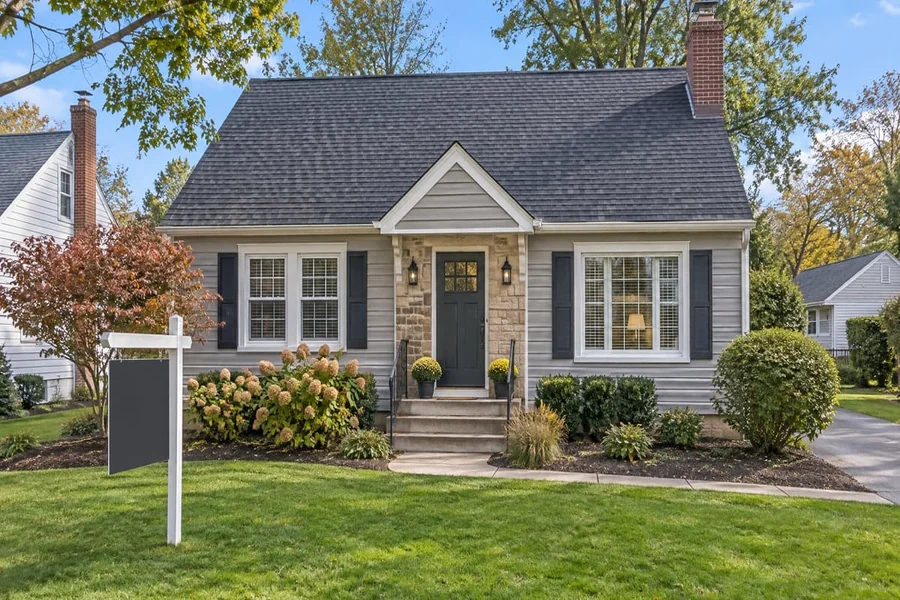
Most homeowners think about their roof only when it leaks. But the roof is one of the few parts of a house that shows up in nearly every major financial conversation about the property: the home inspection, the appraisal, the insurance quote, and the buyer’s offer. A roof in good shape quietly supports all of those. A worn one can drag each of them down at once.
This article looks at the roof from a financial angle. It covers how inspectors, appraisers, insurers, and buyers view roof condition, and how to decide whether repair or replacement makes more sense if you plan to sell.
Why the Roof Carries So Much Weight
A roof is expensive, highly visible, and protects everything underneath it. Buyers know that a failing roof can lead to water damage in the attic, walls, and ceilings, so they tend to treat roof problems as a warning about the rest of the house.
It also helps to understand what a roof actually costs to maintain over time. Many local contractors publish material options, warranty details, and inspection information online. Browsing a resource like the hof roofing website can give you a sense of the roofing options and services available before you start making financial decisions about your home.
How Buyers and Inspectors Read Your Roof
When a buyer makes an offer, a home inspection almost always follows. Inspectors typically note:
– The estimated age of the roof covering
– Missing, curled, cracked, or blistered shingles
– Granule loss and bare spots
– Damaged flashing around chimneys, vents, and skylights
– Signs of past leaks in the attic or ceilings
– Sagging or soft areas in the roof deck
An inspector’s report rarely says “replace the roof.” Instead, it uses phrases like “nearing the end of its service life” or “recommend evaluation by a licensed roofer.” To a buyer, those phrases often translate directly into a request for a price reduction or a repair credit.
In Ohio, sellers also complete a residential property disclosure form that asks about known roof leaks or defects. If you have had a leak repaired, be honest about it and keep the paperwork, since documented repairs tend to reassure buyers more than vague answers.
Roof Condition and Appraisals
An appraiser’s job is to estimate market value, not to inspect the house in detail. Still, roof condition can influence the number. A visibly worn roof may lower the condition rating of the property compared to similar homes nearby.
Roof condition matters even more for government-backed loans. FHA and VA mortgages have minimum property standards, and an appraiser may flag a roof that appears to have little remaining life or active leaks. When that happens, the loan may not close until the problem is fixed. That can put sellers in a tight spot late in the sale, which is why it pays to know your roof’s condition before listing.
The Insurance Side of the Equation
Homeowners insurance is where roof age has become especially important in recent years. Policies and rules vary by company, but common patterns include:
– **Higher premiums for older roofs.** Insurers often price risk partly on roof age and material.
– **Roof age limits.** Some carriers will not write a new policy on a home with a roof beyond a certain age, or will require an inspection first.
– **Actual cash value coverage.** Instead of paying full replacement cost, some policies pay a depreciated value for older roofs. That can leave you covering a large share of a claim yourself.
– **Separate wind and hail deductibles.** These are common in storm-prone areas and can be calculated differently from your standard deductible.
Northeast Ohio sees its share of hail and severe wind, so these policy details are worth checking. Call your agent and ask directly how your roof’s age affects your premium and claim payouts. Buyers will often ask the same questions when shopping for their own coverage, and an older roof can make their insurance harder or more expensive to secure.
Repair or Replace Before Selling?
There is no universal answer. The right call depends on the roof’s age, its condition, your local market, and your timeline.
When Repair Usually Makes Sense
– The roof is relatively young and the problems are isolated, such as a few missing shingles or a flashing leak
– The inspection shows no widespread wear or deck damage
– Comparable homes in your area are selling with roofs of similar age
Targeted repairs with receipts can remove a buyer’s objection without the cost of a full replacement.
When Replacement Is Worth Considering
– The roof is near or past the end of its expected life
– There are multiple leaks, widespread curling, or significant granule loss
– You expect buyers to use FHA or VA financing
– You plan to stay a few more years and would benefit from the new roof yourself
A new roof does not usually return its full cost in sale price, and you should be skeptical of anyone who promises a specific return. What it often does is remove a negotiating point, widen the pool of buyers, and help the home sell on cleaner terms.
Offering a Credit Instead
Some sellers skip the project and offer a closing credit. This can work in a strong market, but buyers often ask for more than the work would actually cost, because they are pricing in uncertainty. Getting a written estimate from a roofer ahead of time gives you a realistic number to negotiate from.
Timing a Replacement
If you decide to replace, plan it early. Scheduling can take time during busy seasons, and asphalt shingles install best in moderate temperatures. In Northeast Ohio, many homeowners aim for spring through fall to avoid cold-weather delays. Finishing the work before listing photos are taken also lets the new roof show up as a selling point rather than a pending project.
Documentation Buyers Want to See
Whether you repair or replace, paperwork turns roof work into something buyers can trust. Keep a folder with:
– The contract and final invoice, including the installation date
– The manufacturer’s material warranty and the contractor’s workmanship warranty
– Any transfer instructions for those warranties
– Building permit and final inspection records, if your municipality requires them
– Photos of the work and any repair receipts
Transferable warranties are particularly useful at resale, since they give the next owner coverage they would not otherwise have.
The Takeaway
Your roof affects more than whether the house stays dry. It shapes inspection reports, appraisals, insurance costs, and how confidently a buyer makes an offer. Know your roof’s age and condition before you list, talk to your insurance agent about how it affects your coverage, and keep records of every repair or replacement. Those simple steps put you in control of the conversation instead of reacting to a surprise in the middle of a sale.
